Key Points
- An Ariane 6 rocket carried 36 Amazon Leo internet satellites into orbit on Tuesday after a one-day delay.
- It was Amazon’s first launch since a Nov. 15 Vulcan rocket failure destroyed 40 of its satellites.
- Arianespace has now put 136 Amazon Leo satellites into orbit in less than a year.
- About 400 Amazon Leo satellites have reached orbit, roughly 12% of a planned network of more than 3,200.
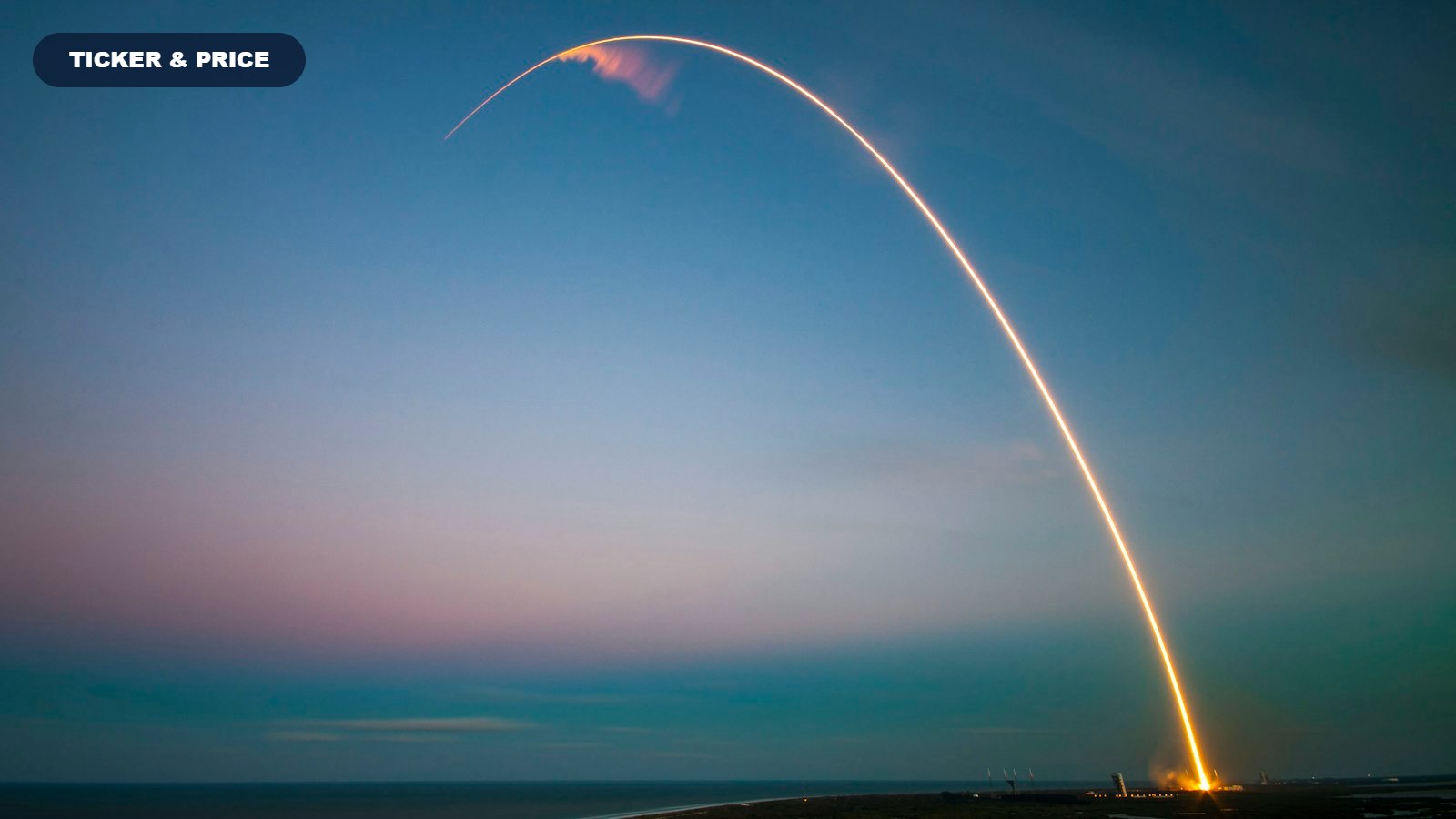
Amazon (AMZN) put 36 more satellites for its Amazon Leo broadband network into orbit on Tuesday, its first launch since a rocket failure earlier this month destroyed 40 of its spacecraft.
A European Ariane 6 rocket lifted off from French Guiana at 6:14 a.m. ET (11:14 UTC) and deployed all 36 satellites into low Earth orbit about two hours later. The launch had been set for Monday but was scrubbed because of a problem with ground support equipment.
Amazon Leo recovers from Vulcan rocket loss
On Nov. 15, a United Launch Alliance Vulcan rocket failed about 10 minutes after liftoff, costing Amazon the 40 satellites it was carrying. Tuesday’s 36 satellites replace 90% of that loss in numbers.
The mission, called LE-04 by Amazon, was Amazon Leo’s fourth flight on Ariane 6 this year. Arianespace has now deployed 136 satellites for the constellation in less than a year.
About 12% of Amazon’s planned network is in orbit
Amazon plans more than 3,200 satellites for Amazon Leo, formerly known as Project Kuiper. About 400 have reached orbit so far, or roughly 12% of the planned total.
Separately, Amazon agreed this week to a deal for Decart’s AI chip software valued at $7.5 billion. More data is on the Amazon stock page.